What's Inside the Box Matters: How Nashville Makers Are Using Printed Inserts to Build Brands Worth Remembering
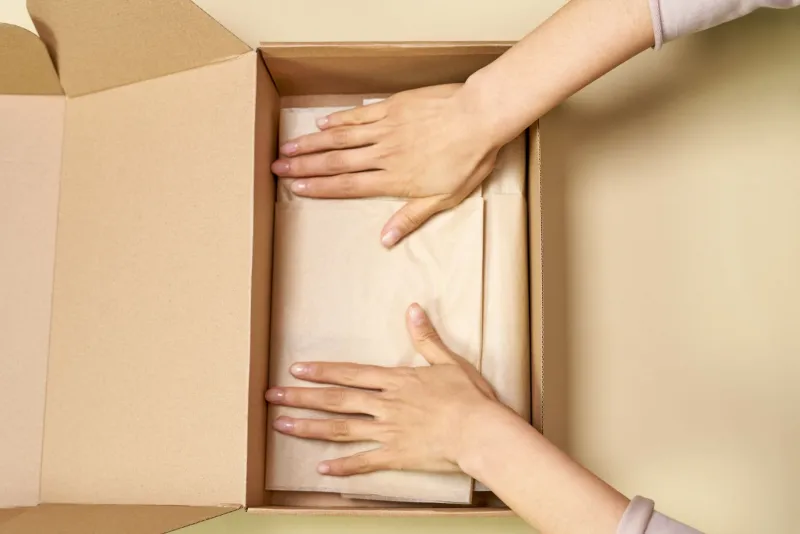
There's a moment that happens right after the tape comes off and the flaps fold back. The customer looks inside. And in that split second, your brand either shows up — or it doesn't.
For a growing number of Nashville makers and small product businesses, that moment is no longer an afterthought. It's a strategy. Printed inserts — those little cards, booklets, and folded notes tucked inside the packaging — have quietly become one of the most effective tools in the local maker's marketing kit. And when they're done right, they don't just add a nice touch. They drive repeat purchases, spark social shares, and build the kind of brand loyalty that no ad campaign can manufacture.
Why the Unboxing Moment Is Prime Real Estate
Think about what's happening when someone opens your package. They've already paid. They're excited. They're paying attention in a way they almost never will again. It's one of the few moments in a customer relationship where you have their full, undivided focus.
Most businesses waste it with generic packing paper and maybe a printed receipt. But the Nashville makers who are winning right now? They treat the inside of that box like a second storefront.
A well-designed insert doesn't need to be expensive or elaborate. What it needs is intention. A printed card that tells the story behind the product. A care instruction sheet that doubles as a brand moment. A mini-catalog that plants the seed for the next purchase. These pieces cost pennies per unit at scale, but the return — in customer retention and word-of-mouth — is hard to overstate.
The Thank-You Card That Does More Than Say Thanks
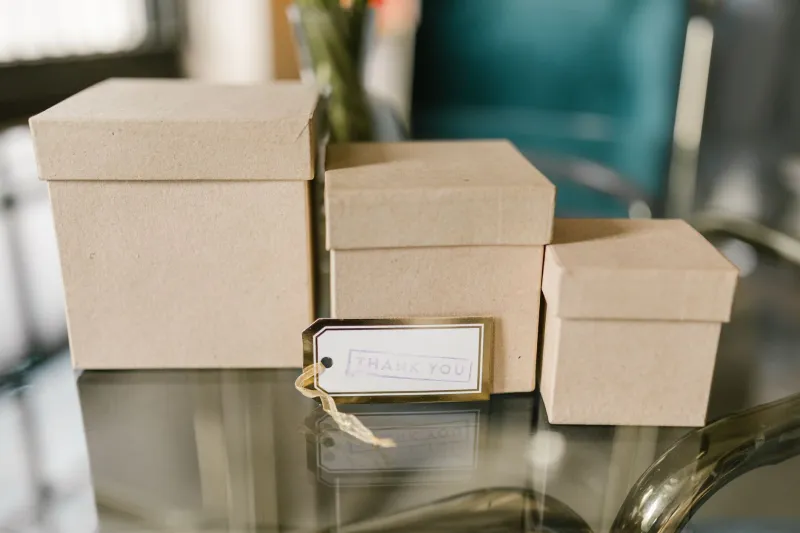
Let's start with the most common insert: the thank-you card. Done wrong, it's a forgettable slip of paper with a generic message. Done right, it's a brand touchpoint that actually moves the needle.
Local Nashville candle and home goods makers have been experimenting with this for a few years now, and the difference between a card that gets tossed and one that gets kept comes down to specificity and personality. Customers respond to language that sounds like it came from a real human — not a template. A card that acknowledges the customer's city, references the season, or shares a quick behind-the-scenes detail about how the product was made creates a connection that a digital receipt simply cannot replicate.
From a design standpoint, the best thank-you cards are printed on quality stock — something with a little weight and texture that signals care. A matte finish, a spot UV logo, or even a simple two-color design can elevate a basic card into something worth keeping on a desk or pinning to a bulletin board. That's free, ongoing brand exposure.
Care Instructions That Pull Double Duty
For Nashville makers selling handcrafted goods — jewelry, leather goods, ceramics, textiles — care instructions are a necessity. But there's no reason they have to be boring.
Some of the smartest packaging inserts we've seen treat the care card as a full brand moment. Instead of a plain white slip with bullet points, imagine a small folded card printed on kraft paper with illustrated icons, a brief note about the artisan's process, and a QR code linking to a video about how the item was made. Suddenly, a functional piece of paper becomes a story — and stories are what customers share.
The key is making sure the design language matches the rest of your brand. If your outer packaging is clean and minimal, your care card should be too. If your brand leans into warmth and handmade character, let that show in the typography and print choices. Consistency is what makes a brand feel real.
Mini-Catalogs: The Insert That Sells While You Sleep
Here's an insert strategy that not enough Nashville product businesses are using: the mini-catalog. This is a small, folded or staple-bound booklet — sometimes just four to eight pages — that showcases your broader product line, seasonal offerings, or complementary items.
The logic is simple. Someone just bought from you. They like your stuff. They're holding your product in their hands and feeling good about the purchase. That is the single best time to show them what else you make.
A well-designed mini-catalog doesn't feel like a sales pitch. It feels like a gift — a little window into your world. Nashville food and beverage brands, in particular, have embraced this format. A local hot sauce maker including a small booklet with recipe ideas and a spread of their full sauce lineup is doing something smart: they're extending the customer experience and making the next purchase feel like a natural next step, not a hard sell.
The Brand Story Insert: Your Secret Weapon
Maybe the most underused printed insert of all is the brand story card. This is a simple piece — often a postcard-sized card or a small folded sheet — that tells the customer who you are, why you started, and what makes your product different.
In a market flooded with generic goods, origin stories matter. Nashville has a deep culture of craft and authenticity, and local customers respond to that. They want to know the person behind the product. They want to feel like their purchase means something.
A brand story insert doesn't need to be long. Two or three short paragraphs, a founder photo or an illustration, and a line or two about your values can do the job. Print it on something that feels premium — a heavier card stock, a warm off-white, maybe a single accent color — and it becomes a piece customers actually read. Some keep them. Some share them. Some post them.
Putting It All Together
The Nashville makers who are getting this right aren't necessarily spending a fortune. What they're doing is thinking about the insert stack as a cohesive system rather than a collection of random scraps. Every piece in the box should feel like it belongs — same design language, same tone, same level of care.
At Nash Prints It, we work with local product-based businesses all the time on exactly this kind of project. Getting the print specs right — the paper weight, the finish, the color calibration — makes a real difference in how the final product feels in a customer's hands. And how something feels is a big part of whether it gets kept, shared, or thrown away.
If you've been shipping products with bare-bones packaging, it might be time to rethink what's inside the box. The unboxing moment is yours. Use it.