Beyond the Booth: How Nashville B2B Companies Are Making Their Trade Show Print Work Harder
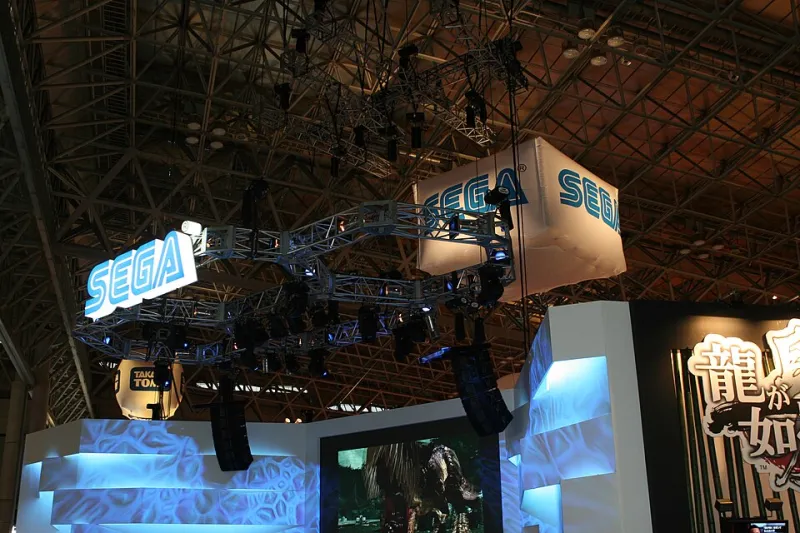
Photo: Gamerscore Blog, CC BY-SA 2.0, via Wikimedia Commons
Anybody who's worked a trade show floor knows the feeling. You spend weeks preparing, thousands of dollars on booth space, print materials, and travel, and then you stand there for three days handing out brochures to people who may or may not ever look at them again. You come home with a stack of business cards and a vague sense that it went "pretty well."
Pretty well isn't a metric. And Nashville's B2B companies — particularly in healthcare, tech, logistics, and professional services — are done accepting it.
A growing number of local businesses are rethinking trade show print from the ground up, integrating trackable digital elements directly into their physical materials. The result is collateral that doesn't just look good at the booth — it generates data, drives follow-up, and creates measurable connection between the show floor and the sales pipeline.
The Problem With Traditional Trade Show Print
Let's be honest about what usually happens with trade show brochures. Attendees grab them, stuff them in a tote bag with seventeen other pieces of collateral, and sort through the pile later — maybe. The brochures that survive the initial cull get stacked on a desk, referenced once, and eventually recycled.
For the business that printed them, there's no signal. Did anyone read it? Did it drive any website traffic? Did the product spec sheet influence any purchasing conversations? You have no idea.
That information vacuum makes it nearly impossible to evaluate what's working, optimize your messaging, or justify the print investment to a skeptical CFO.
The integration of trackable technology into print materials doesn't just solve that problem — it transforms the entire category.
QR Codes: Not Dead, Actually Essential
QR codes had a rough decade. They showed up everywhere in the mid-2000s, largely failed due to friction and poor implementation, and became something of a design joke. Then the pandemic happened, contactless everything became the norm, and QR codes came roaring back — this time with native smartphone support that removed all the friction.
For trade show print, QR codes are now a genuine workhorse tool. But the way Nashville's more sophisticated B2B marketers are using them has evolved significantly beyond "scan this to visit our website."
The key is using unique, campaign-specific QR codes — not generic links to your homepage. Each printed piece gets its own trackable URL, which means you can see exactly which materials drove traffic and when. A brochure left at the booth generates different scan data than a card handed directly to an attendee. A follow-up mailer sent after the show gets its own code. Suddenly you have a comparative dataset that tells you something real.
Better still, smart QR code destinations are dynamic — the URL the code points to can be updated without reprinting the materials. That means the brochure you printed for a March show can be redirected to a post-show landing page with a special offer in April, without touching the print file.
NFC: The Premium Layer Most Companies Are Missing
Near-field communication — NFC — is the technology behind contactless payment and the tap-to-connect features on modern smartphones. It's also quietly becoming one of the most interesting tools in the trade show print toolkit.
NFC chips can be embedded directly into printed materials: business cards, folder covers, display signage, even product packaging. A prospect taps their phone to your card or your booth panel, and they're instantly connected to whatever digital experience you've set up — a product demo video, a contact save, a calendar booking link, a personalized landing page.
The experience feels genuinely impressive in person. It's frictionless, it's fast, and it positions your brand as technologically forward-thinking in a way that a standard brochure simply cannot. For B2B companies selling technology solutions, professional services, or anything where perceived sophistication matters, that positioning has real commercial value.
NFC-embedded business cards in particular are gaining traction among Nashville-area sales teams. The cards themselves still look and feel like premium print — thick stock, quality finishes — but they carry a digital payload that a standard card can't match.
Designing Print That Bridges to Digital
The technology is only as good as the design strategy behind it. A QR code buried in the corner of a dense brochure page isn't going to get scanned. An NFC chip on a card nobody touches serves no purpose.
Effective print-to-digital design for trade shows follows a few principles that Nashville's best print and design teams have worked out through experience:
Make the action obvious. If you want someone to scan, tell them clearly — and tell them what they'll get. "Scan for a live product demo" outperforms a bare QR code every time. People need a reason to engage.
Design the digital destination with the same care as the print piece. A beautifully designed brochure that scans through to a generic, unoptimized website page creates a jarring disconnect. The digital experience should feel like a continuation of the print experience, not an afterthought.
Use the print piece to qualify the lead. The content of the brochure or handout should do pre-qualification work before someone scans. The people who engage with the digital layer are already more interested — design your landing page to capitalize on that.
Track everything from day one. Set up your analytics before the show, not after. You want clean data from the first scan, not a scramble to reconstruct what happened.
A Nashville Case Study Worth Examining
A Nashville-based healthcare technology company attending a regional industry conference overhauled their booth materials with this integrated approach before a recent show. Their previous approach: standard tri-fold brochures and a banner.
New approach: a single, beautifully designed one-sheet with a prominent QR code linking to a 90-second product explainer video, NFC-enabled business cards for their sales team, and a tabletop display with a separate trackable QR code linking to a demo booking calendar.
Results from the show: they tracked 47 unique QR scans from the one-sheet, 23 calendar bookings from the display code, and 12 NFC interactions from the cards — all attributable to the show, all feeding directly into their CRM.
For the first time, they could walk out of a trade show with a clear, quantified picture of what their print materials actually did. That data shaped their post-show follow-up sequence and gave their sales team a prioritized list of warm contacts.
The Print Still Has to Be Good
One thing worth stating plainly: none of this technology compensates for weak print design or poor quality materials. A cheap-looking brochure with an NFC chip is still a cheap-looking brochure. The physical quality of your print materials communicates something about your brand before any digital interaction happens.
The companies getting the most out of integrated print-and-tech approaches are the ones investing in both — quality print production and smart technology integration working together. At Nash Prints It, that combination is exactly what we help Nashville B2B teams build.
Trade shows are expensive. Your materials should be working as hard as you are.