Green Without Compromise: The Nashville Business Owner's Guide to Eco-Friendly Printing That Actually Looks Great
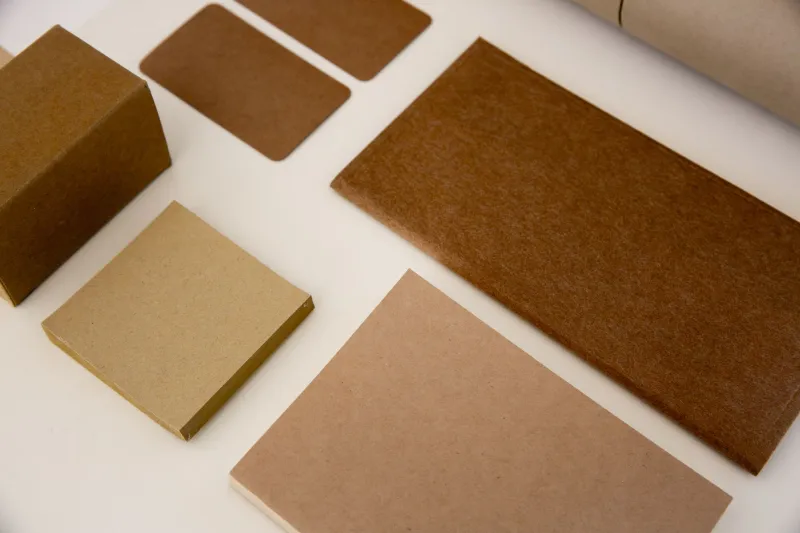
Let's get the biggest misconception out of the way first: eco-friendly printing does not mean boring printing.
For years, the phrase "recycled paper" conjured images of beige, slightly rough stock with colors that looked like they'd been left in the sun too long. Sustainable printing felt like a trade-off — you could do good for the environment, or you could have materials that looked professional. Rarely both.
That's no longer the case. And Nashville businesses that are figuring this out early are turning their environmental commitment into something their customers genuinely notice and respond to.
Why This Conversation Is Happening Now
Consumer values have shifted, and the data backs it up. Studies consistently show that a significant portion of American consumers — particularly millennials and Gen Z buyers, who are increasingly the core customer base for most small businesses — factor environmental responsibility into their purchasing decisions. They're not just saying it in surveys. They're actually choosing brands that align with their values, and they're willing to pay a modest premium for the privilege.
Nashville isn't immune to this shift. If anything, the city's rapid growth and increasingly diverse, younger demographic has accelerated it. From the Gulch to Germantown, local businesses are competing for customers who care about more than just price and product quality. They care about who they're buying from.
Your printed materials — menus, packaging, business cards, brochures, event programs — are a touchpoint where that story either gets told or gets missed.
What Eco-Friendly Printing Actually Means
Sustainable printing isn't one single thing. It's a collection of choices that, taken together, reduce environmental impact without sacrificing quality. Here's what that looks like in practice:
Recycled and FSC-Certified Papers Forest Stewardship Council (FSC) certification means the paper you're using comes from responsibly managed forests. Recycled content papers — which can range from 30% to 100% post-consumer waste — dramatically reduce the demand for virgin wood pulp. Modern recycled stocks are smooth, printable, and available in a wide range of weights and finishes. Many clients are genuinely surprised by how premium they feel.
Soy-Based and Vegetable-Based Inks Traditional petroleum-based inks release volatile organic compounds during the printing process. Soy-based inks don't. They're also easier to remove during paper recycling, which improves the recyclability of the finished printed piece. As a bonus, soy inks tend to produce richer, more vibrant color — which is the opposite of the faded, dull aesthetic people associate with "green" printing.
Waterless Printing and Reduced Waste Production Some modern printing processes eliminate the need for water entirely, reducing chemical runoff and energy consumption. Combined with efficient press setups that minimize paper waste on short runs, these approaches can significantly reduce the environmental footprint of a print job.
Biodegradable and Compostable Coatings Glossy finishes have historically been a sustainability problem because plastic-based laminates make paper nearly impossible to recycle. Water-based coatings and biodegradable alternatives have improved dramatically and can deliver a similar visual effect without the environmental cost.
The Business Case: It's Not Just About Doing Good
Here's where it gets interesting for business owners who are weighing the numbers: sustainable printing isn't just an ethical choice. For many Nashville brands, it's become a competitive differentiator with real commercial value.
A local wellness brand — a small-batch supplement company based in East Nashville — switched their product packaging and marketing inserts to 100% recycled stock with soy-based inks about eighteen months ago. They printed a small "printed on recycled materials" callout on the back of their packaging. Simple. Understated. The response from their customer base was immediate and disproportionate. Social media comments referenced it. Repeat customers mentioned it in reviews. It became part of the brand story in a way that cost almost nothing extra to tell.
A coffee roaster in the Wedgewood-Houston neighborhood made a similar move with their retail bags and wholesale collateral. The kraft paper aesthetic aligned perfectly with their handcrafted brand positioning, and the sustainability angle gave their wholesale sales team a talking point that resonated with the independent cafés they were pitching to. It wasn't the only reason they landed new accounts, but it was consistently part of the conversation.
Addressing the Cost Question Honestly
It's fair to ask: does eco-friendly printing cost more? The honest answer is — sometimes, a little. Certain specialty recycled stocks and sustainable coatings do carry a slight premium over conventional materials. But the gap has narrowed considerably as demand has increased and production has scaled.
And when you factor in the full picture — the marketing value of the sustainability story, the customer loyalty it builds, the alignment with where consumer values are heading — the math often works in favor of making the switch.
It's also worth noting that not every sustainable choice adds cost. Soy-based inks, for example, are widely available and don't necessarily carry a premium at all. FSC-certified papers are more accessible than they've ever been. Starting with small changes — swapping your business card stock, switching your ink type — lets you test the impact without a major budget commitment.
Making It Part of Your Brand Story
The businesses that benefit most from sustainable printing aren't just making the switch quietly. They're talking about it.
That doesn't mean plastering "eco-friendly!" across everything in a way that feels like a marketing gimmick. It means integrating your environmental commitment into your brand narrative in a way that feels authentic and consistent with everything else you're communicating.
A few ways Nashville businesses are doing this well:
- Including a brief sustainability note on menus, packaging inserts, or the back of business cards — something that acknowledges the choice without over-explaining it
- Choosing materials whose texture and appearance tell the story visually — a natural, slightly textured recycled stock communicates craft and intentionality without saying a word
- Aligning print choices with digital messaging — if you're talking about sustainability on your social media or website, your physical materials should reinforce that, not contradict it
- Mentioning it in sales conversations — for B2B businesses especially, sustainable print collateral can be a differentiator when pitching to clients who have their own environmental commitments
The Bottom Line
Sustainable printing has crossed the threshold from niche preference to mainstream expectation. The quality is there. The variety is there. And the business case — for Nashville brands that want to connect with consumers who care about more than just the transaction — is genuinely compelling.
At Nash Prints It, we've expanded our eco-friendly material options significantly over the past couple of years because the demand from local businesses has been real and growing. Whether you're reprinting business cards or overhauling a full collateral suite, there's a sustainable path that doesn't require you to sacrifice an ounce of visual impact.
Let's talk about what that looks like for your brand.