Stamp of Approval: How Nashville's Restaurants and Bars Are Using Physical Loyalty Programs to Fill Seats Night After Night
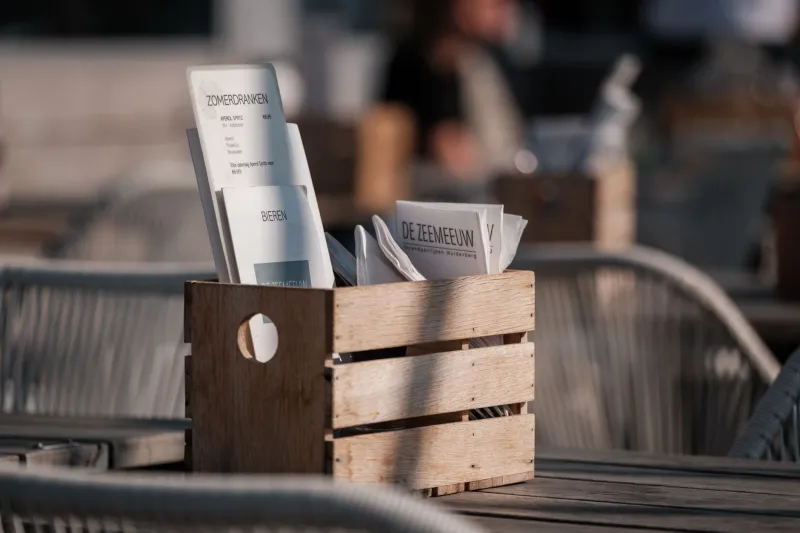
Walk into almost any independent coffee shop, taco spot, or neighborhood bar in Nashville and there's a decent chance someone behind the counter will slide a small card across to you before you even ask. It's a punch card. Old-school, maybe. But also — based on what local hospitality owners are reporting — surprisingly effective.
In an era when every major chain has a slick app with push notifications and gamified point systems, a lot of small Nashville businesses are doubling down on the physical loyalty experience. And they're not just being nostalgic. They're doing it because it works.
Why Physical Beats Digital More Often Than You'd Think
Here's the thing about loyalty apps: most people download them once and forget they exist. The average consumer has somewhere north of 80 apps on their phone and actively uses fewer than 30. A punch card, on the other hand, lives in a wallet or tucked in a phone case — somewhere visible, somewhere that creates a little mental nudge every time someone reaches for their card.
There's real behavioral science behind this. Psychologists call it the "endowed progress effect" — people are more motivated to complete a task when they feel like they've already started. A punch card with two stamps already on it feels like progress. A loyalty app with zero points feels like homework.
Physical rewards also create what researchers describe as "psychological ownership." The card is yours. It's tangible. Losing it feels like losing something real, which means customers are more likely to hang onto it — and more likely to come back to use it.
What Nashville Hospitality Owners Are Actually Seeing
Talk to enough local restaurant and bar owners and a pattern emerges: the businesses seeing the best results from printed loyalty programs are the ones that treat the card itself as a piece of marketing, not just a functional tool.
One East Nashville bar owner who runs a craft cocktail program described switching from a digital stamp app to a custom-printed membership card about two years ago. The membership card — printed on thick, matte-laminated stock with a spot UV logo — gives regulars a sense of belonging to something. It's not just a discount mechanism. It's an identity piece. "People show it to their friends," she said. "It becomes a conversation starter."
A Germantown brunch spot took a similar approach with their punch card design. Instead of a generic template, they worked with a local designer to create a card that matches their full brand aesthetic — same fonts, same color palette, same illustrated motifs that appear on their menus. The result is a card customers actually want to keep in their wallet because it looks good. The owner noted a meaningful uptick in repeat visits within the first quarter of launching the new cards.
Design Details That Make or Break a Loyalty Card
A loyalty card that looks cheap sends a message you probably don't want to send. If a customer pulls out a flimsy, black-and-white punch card, it undercuts the experience you've worked hard to create in your space. Here's what separates the cards that get kept from the ones that get tossed:
Stock weight matters more than people realize. A 16pt or 18pt card stock has a heft that communicates quality before anyone reads a word. Thin cards feel disposable — because they are.
Finishes do real work. Soft-touch laminate feels premium in a way that's hard to describe until you hold it. Spot UV on your logo adds a tactile dimension that makes the card feel special. These aren't just aesthetic choices — they're psychological cues.
Keep the offer clear and achievable. Ten stamps for a free item is fine. Twenty stamps starts to feel like a slog. The faster a customer can get their first reward, the more likely they are to stay in the loop.
Make it brand-coherent. Your loyalty card should look like it belongs in your restaurant. If someone covers your logo, the card should still feel like it came from you — through color, typography, and illustration style.
Membership Cards: A Step Up From the Punch
For businesses looking to formalize their loyalty program, printed membership cards are worth serious consideration. These go beyond "buy ten, get one free" and signal that a customer is part of something exclusive.
A membership card program works particularly well for bars with wine or beer clubs, restaurants with recurring tasting dinners, or any hospitality business that wants to identify and reward its highest-value regulars. The card itself — especially when it's printed with foil accents, embossing, or a unique membership number — becomes a status symbol of sorts.
Several Nashville spots have experimented with annual membership programs that come with a printed card, a welcome packet, and ongoing printed communications like event invites and seasonal menus. The physical touchpoints throughout the year keep the relationship active in a way that email newsletters, frankly, often don't.
Practical Starting Points for Nashville Hospitality Businesses
If you're thinking about launching or refreshing a printed loyalty program, here's a simple framework to work from:
-
Define the goal first. Are you trying to increase visit frequency, grow average ticket size, or reward your top-tier regulars? The answer shapes the program structure.
-
Invest in the design. A well-designed card costs a little more upfront but pays back in retention. Work with a designer who understands your brand.
-
Print in reasonable quantities. Ordering 500 cards at a time is usually more cost-effective than 100, and it gives you enough runway to test before committing to a massive run.
-
Train your staff. The best loyalty card in the world doesn't work if your team forgets to offer it. Make it part of the checkout flow.
-
Refresh periodically. A seasonal or annual card update gives regulars a reason to notice — and it keeps your branding current.
The loyalty loop isn't complicated. Give people something tangible to hold onto, make it look good, and make the reward feel worth chasing. Nashville's hospitality scene is proof that sometimes the oldest tricks in the book are old because they work.