Ink and Intention: Why a Handwritten Note Is the Most Powerful Marketing Tool You're Not Using
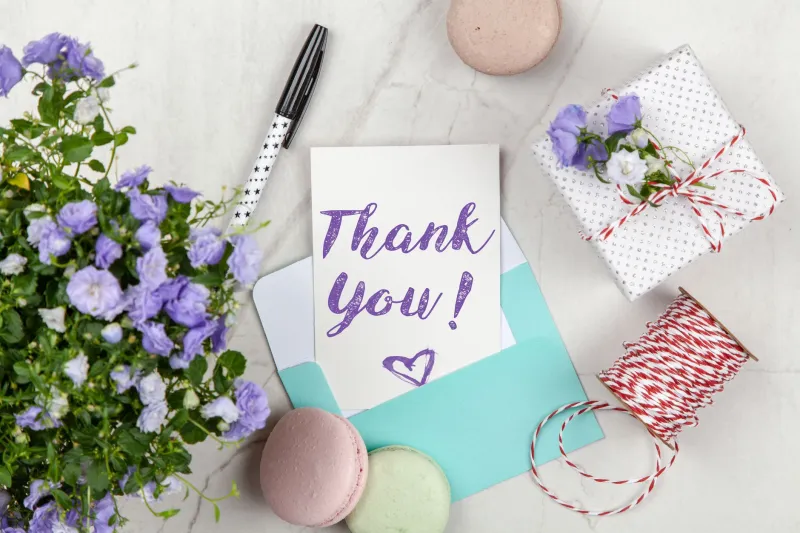
Your inbox has 47 unread emails right now. Maybe more. You've mentally flagged most of them as noise before you even opened them. But last week, when a small card arrived in your mailbox — addressed to you by name, written in actual ink — you stopped. You read it. You remembered it.
That's not nostalgia. That's strategy.
Across Nashville, a growing number of businesses are quietly ditching the drip campaign in favor of something far more tactile: personalized, handwritten print pieces that land in real mailboxes and create genuine moments of connection. And the results? They're turning heads.
Why the Inbox Stopped Working
Email open rates across industries have been sliding for years. The average marketing email hovers around a 20–25% open rate on a good day, and click-through rates are even worse. People have trained themselves to filter, archive, and delete with almost zero cognitive effort.
Direct mail, on the other hand, gets touched. Physically handled. The Data & Marketing Association has consistently reported that direct mail response rates outperform email by a wide margin — sometimes by a factor of five or more. Add a handwritten element to that piece, and you're in a completely different league.
"There's a psychological trigger that happens when someone sees handwriting," says one Nashville-based marketing consultant who works with retail clients across the city. "Your brain registers it as human. It doesn't feel like a broadcast. It feels like someone took time for you specifically."
That perception of effort is everything.
What Nashville Businesses Are Actually Doing
The trend isn't just happening in theory — it's showing up in real storefronts and real revenue numbers across Nashville.
A boutique skincare studio in East Nashville started tucking handwritten thank-you cards into every order about a year ago. Simple cards, printed with their branding, but with a few lines written by hand from whoever packed the bag. Within three months, their repeat customer rate climbed noticeably, and they started getting tagged on social media by customers showing off the notes. "People post them," the owner shared. "They don't post our email receipts."
A local real estate team in Green Hills went a step further. After closing a deal, they send a custom printed card — high-quality cardstock, their logo embossed on the front — with a handwritten message inside referencing something specific about the client's journey. Not a template. Not mail merge. An actual note. Their referral rate increased significantly in the first year, and clients consistently mention the card when they send friends their way.
A specialty coffee roaster in The Gulch started using handwritten postcards as a reactivation tool for customers who hadn't ordered in 90 days. The cards were printed professionally with their signature aesthetic, but included a line or two written by hand. The reactivation response rate blew their email campaigns out of the water.
The Print + Handwriting Formula
Here's the thing — this isn't about choosing between professional printing and personalization. The most effective pieces combine both.
You want the structure, consistency, and visual quality that professional printing delivers. Your logo needs to look sharp. Your colors need to be on-brand. The paper stock matters more than most people realize — a note written on flimsy paper feels like an afterthought, while the same message on a substantial, textured card feels like a gift.
But within that polished framework, the handwritten element creates the emotional hook. It signals that a real person was involved. That someone made a choice to reach out to you specifically.
At Nash Prints It, we've helped Nashville businesses design printed note cards, folded mailers, and postcard formats that are built specifically to accommodate handwritten personalization. The layout matters — you need enough white space that someone can actually write without cramming their message into a corner, but the design still needs to carry the brand.
When to Deploy This Approach
Not every customer touchpoint needs a handwritten note. Used too broadly, the tactic loses its impact. But there are specific moments where this approach pays off disproportionately:
After a first purchase. The window between a customer's first buy and their second is fragile. A note that arrives a few days after their order — thanking them, acknowledging what they bought, and inviting them back — can be the difference between a one-time sale and a loyal regular.
After a significant transaction. Real estate closings, large catering orders, custom design projects, event bookings — any time a client makes a meaningful financial or emotional investment, a handwritten follow-up reinforces that the relationship matters beyond the transaction.
On anniversaries or milestones. Knowing when a customer first bought from you, or when they hit a loyalty milestone, creates an opportunity to reach out in a way that feels genuinely celebratory rather than promotional.
When reactivating lapsed customers. A handwritten note to someone who hasn't engaged in a while carries a completely different tone than an automated "we miss you" email. It feels like outreach, not automation.
Scaling Without Losing the Personal Touch
The obvious challenge is time. If your business is growing, you can't have your team handwriting 500 notes a week. But there are practical ways to scale without gutting the authenticity.
First, prioritize. Not every customer needs a handwritten note — focus on your highest-value segments, your VIPs, your biggest spenders, or your most recent first-time buyers.
Second, create a system. Designate a specific time each week for note-writing. Keep your printed cards stocked and ready. Reduce the friction so that the habit actually sticks.
Third, consider handwriting-style printing for volume. For larger campaigns, there are print techniques that convincingly replicate handwritten script — useful when you need to scale a personalized feel across a bigger list. It's not the same as a genuine handwritten note, but paired with smart variable data printing, it can still outperform a standard direct mail piece.
The Nashville Angle
There's something fitting about this trend taking hold in Nashville. This city has always had a culture of personal connection — it's baked into the music industry, the hospitality scene, and the way local businesses operate. People here remember when someone remembered them.
As Nashville grows and gets more crowded — more competition, more noise, more brands fighting for attention — the businesses that lean into genuine human connection are going to stand out. Not because it's retro. Because it works.
A great printed note card isn't just a thank-you. It's a brand statement. It says you pay attention. It says you value the relationship enough to slow down for thirty seconds and mean it.
That's a message no email is going to deliver.
Ready to design note cards or personalized mailers that actually get remembered? Let's talk about what's possible — Nash Prints It works with Nashville businesses of all sizes to create print pieces that make an impression before you write a single word.